Solve ancient challenges of the chessboard
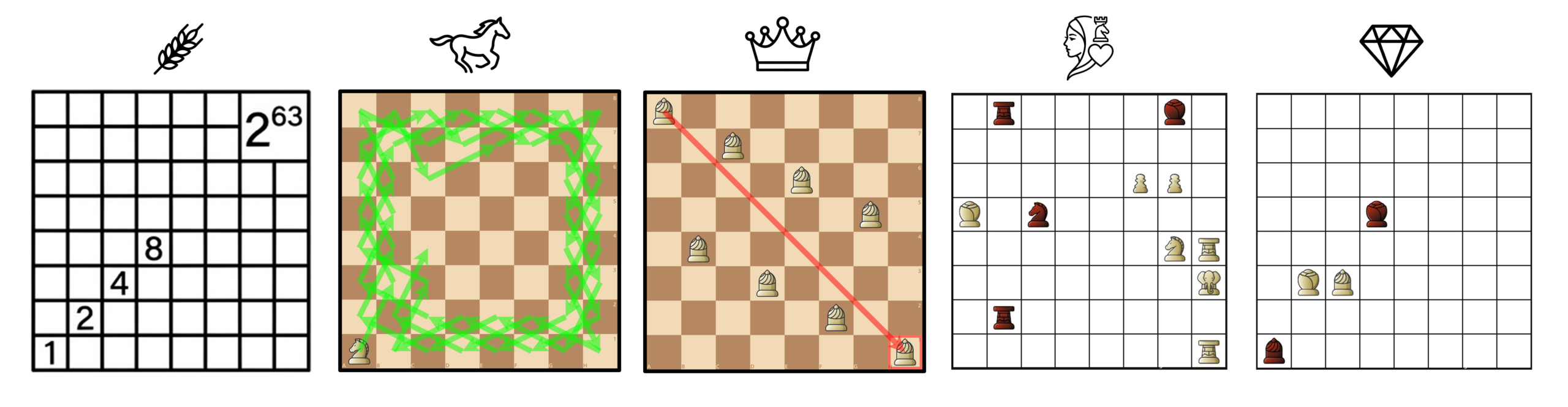
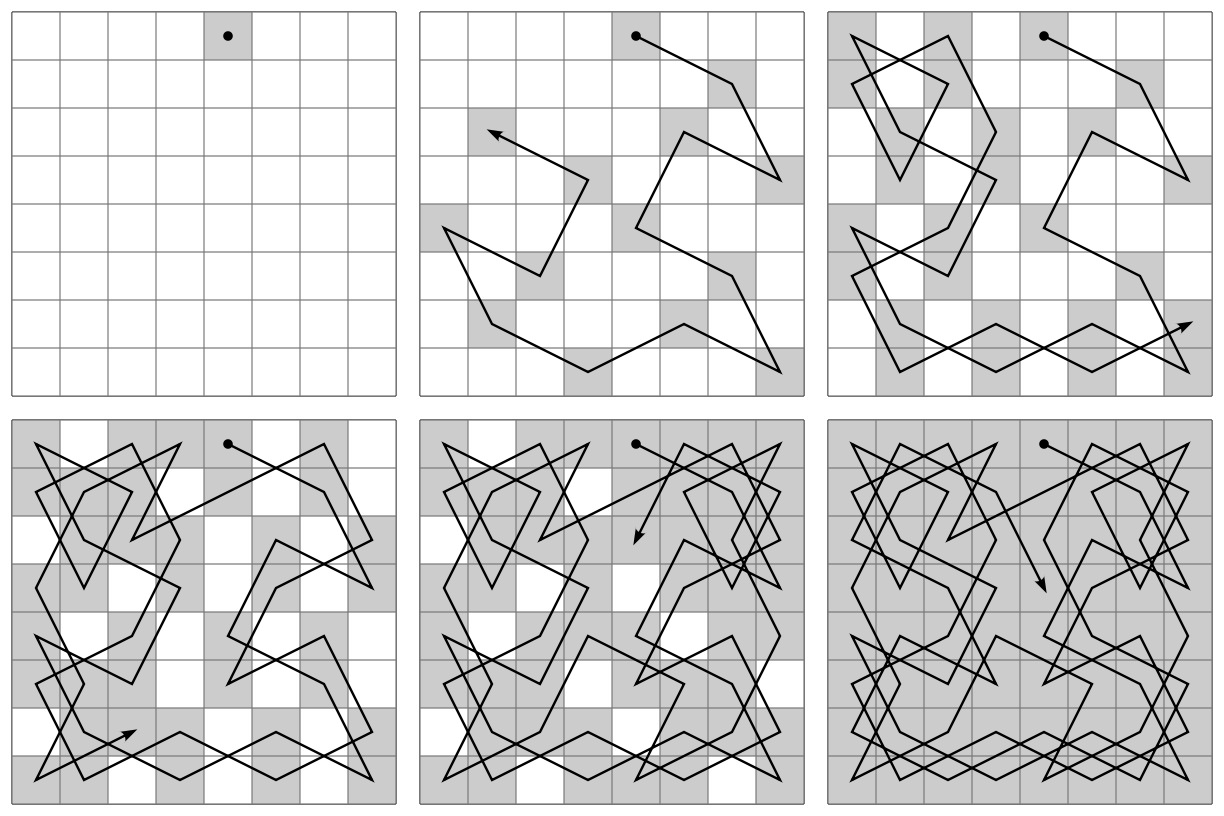
Wheat and the Chessboard, Horse Tour, Eight Queens, Dilaram Mate, Suli’s Diamond
Study the historical progress of artificial intelligence algorithms
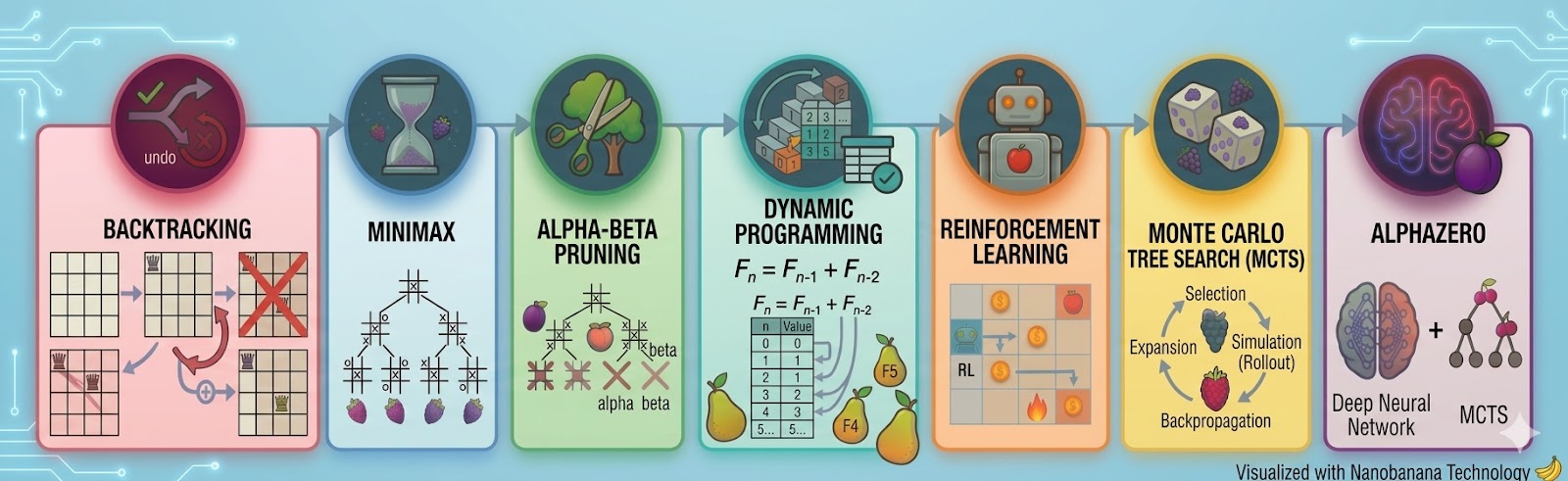
Master Artificial Intelligence through the evolution of chess AI software

Can you write artificial intelligence code to solve the oldest unsolved chess puzzle in history? Explore “Suli’s Diamond” with us, or try to solve it as the first masters of chess did more than a thousand years ago.
Create a free account and join our learning management system (LMS) to start solving this gem!
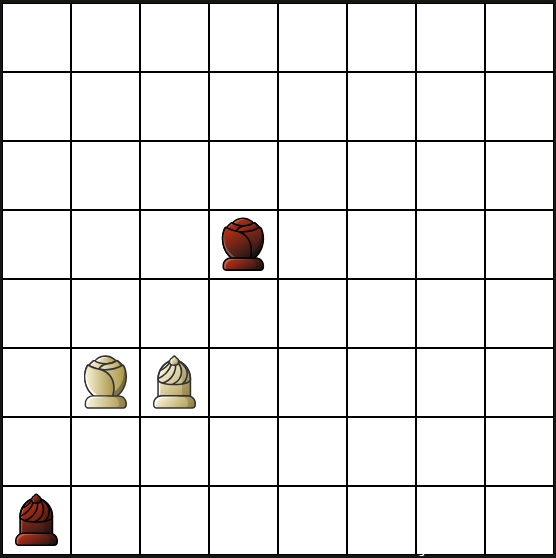
Lesson 16 of the shatranj.ai curriculum deals exclusively with Suli’s diamond puzzle and its solution through dynamic programming.
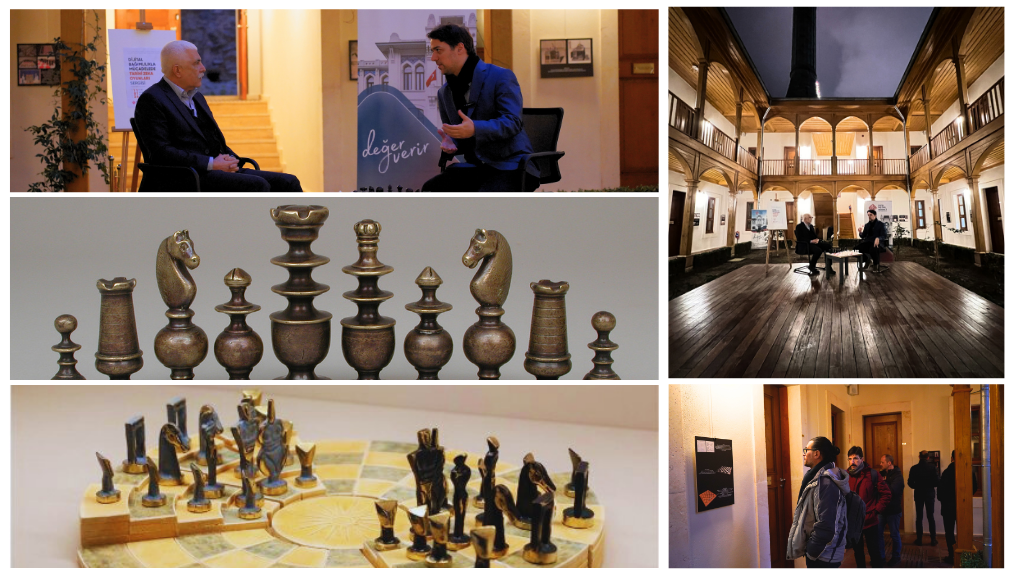
Co-curated under the auspices of the Department of History of Science at FSMVU
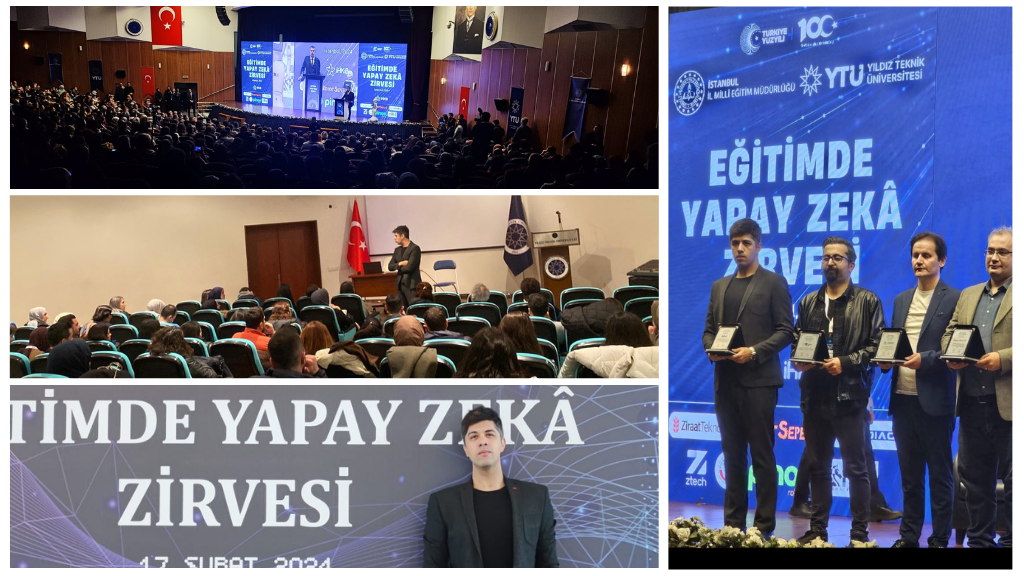
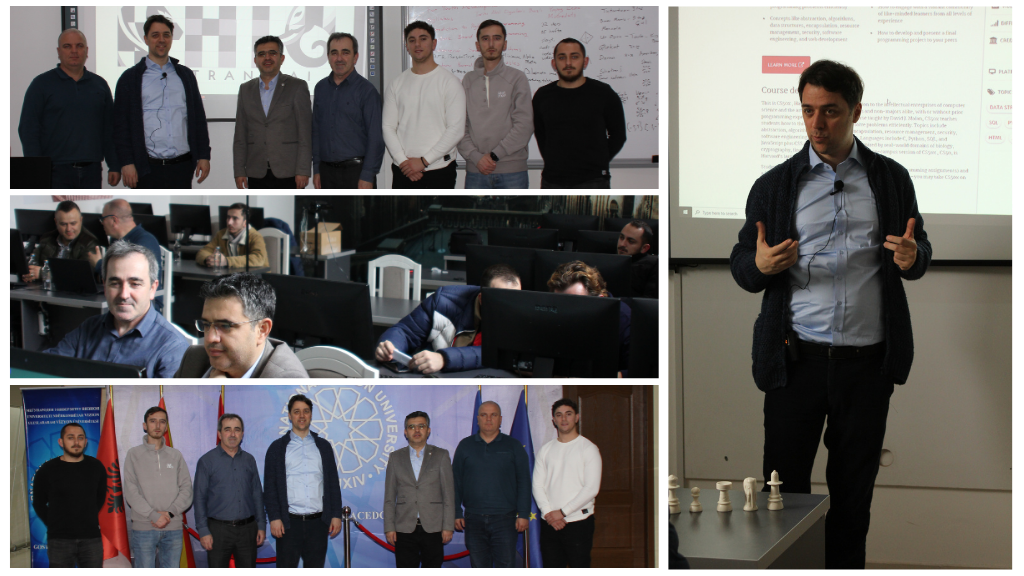
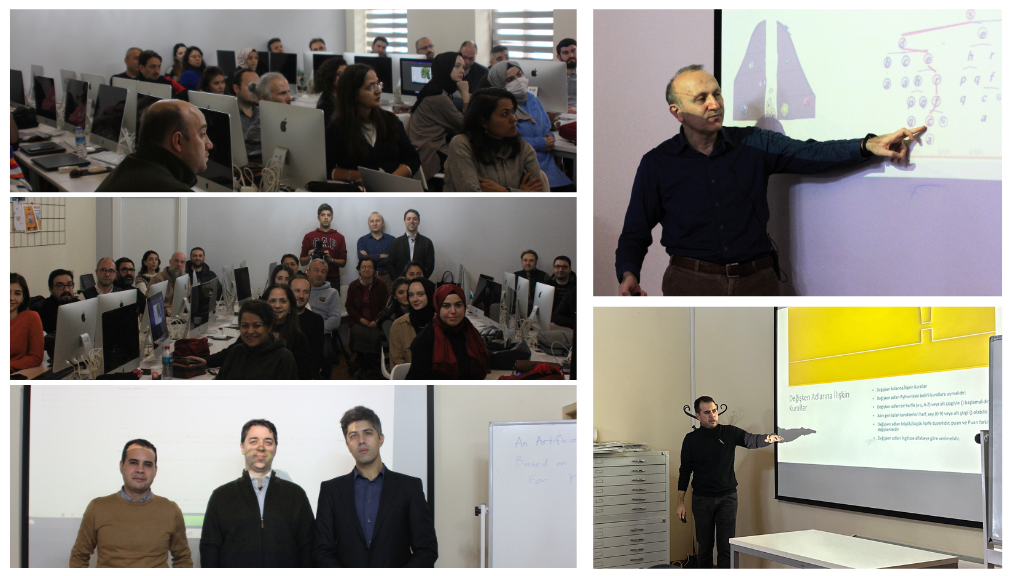
Workshop for Educators – 24.02.2024

“Shatranj.ai” is the acronym for our project and curriculum titled: “An Artificial Intelligence Curriculum Based on Historical Board Games for Youth Development”.
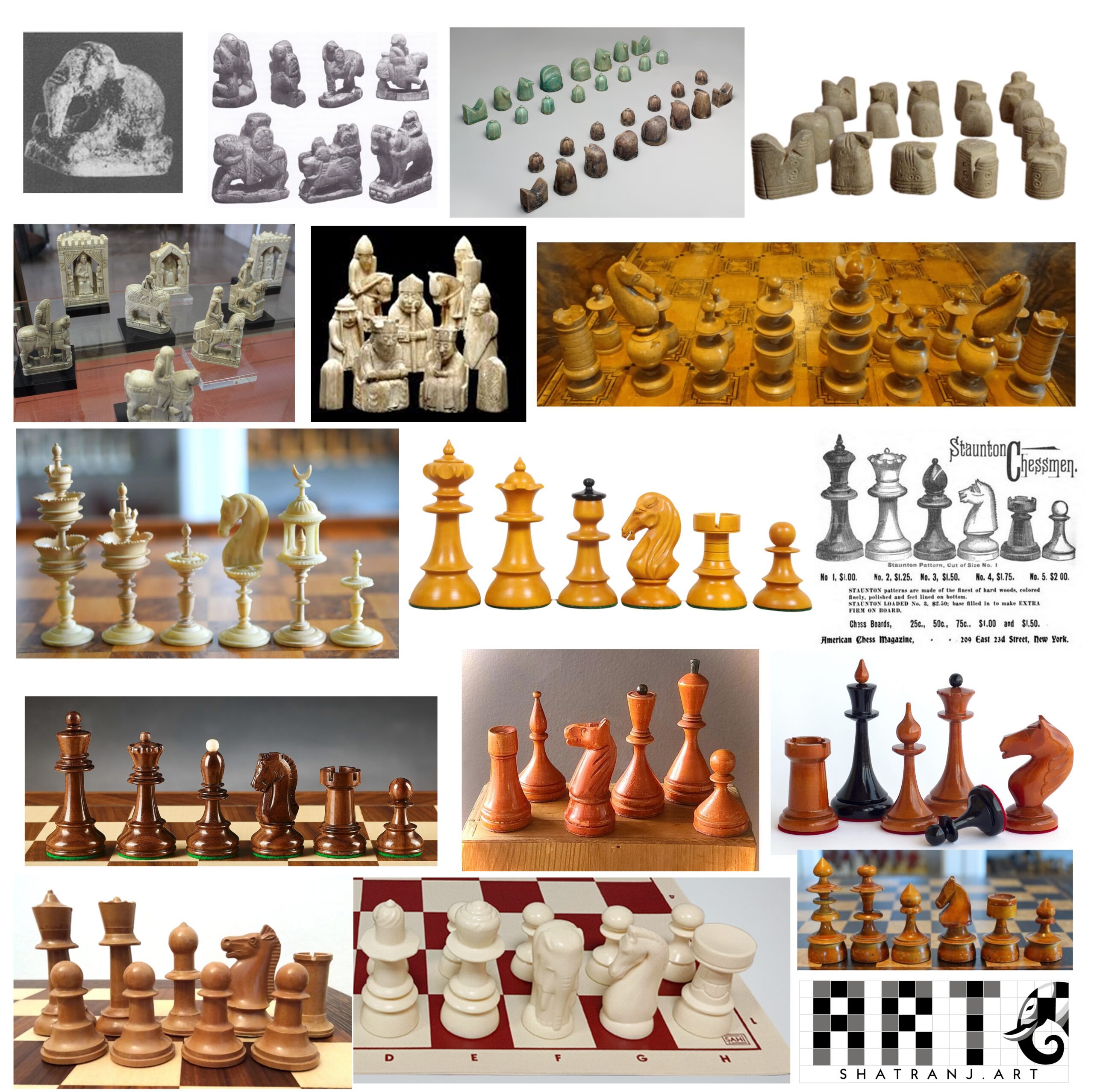
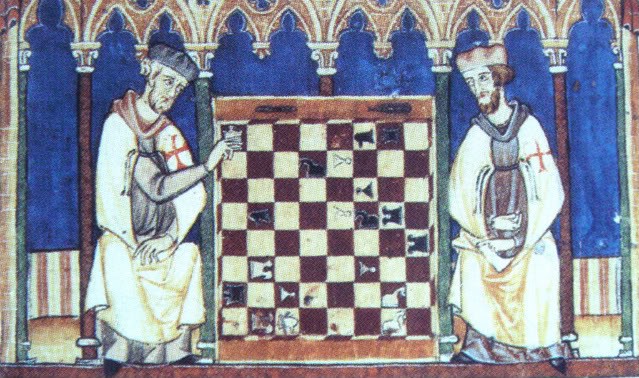
`Shatranj` word in English refers to the historical form of chess played across the Mediterranean and Middle East, and it is phonetically similar to Portuguese ‘xadrez’ and Spanish ‘ajedrez’. It represents a middle step in the evolution of the game from ‘chaturanga’ to ‘chess’. The first masters and authors of chess across Central Asia, Middle East, Mediterranean and South Europe, played shatranj, i.e. chess the old way, which medieval Spain referred to as ‘acedrex,’ in Alfonso X’s landmark medieval European compendium of games, Libro de los juegos. While English distinguishes the older and newer forms of the game with two separate words, ‘shatranj’ and ‘chess’, many other languages continue to use a single term for both, since the rule changes between the two variants emerged gradually and remained relatively limited.
This youth project was developed within Erasmus+, the European Union’s programme for education, training, youth and sport. A consortium of university, nonprofit, public education, and educational technology partners contributed to its development. The project followed Erasmus+ priorities such as inclusion and diversity, the STEAM approach, and youth employability. Its topics included creating innovative curricula, cultural heritage, and artificial intelligence.
In our project, we started from a simple idea: the excitement many K–12 and college students already have for board games, in particular chess, can become a meaningful pathway into coding and AI. The curriculum is designed to be easy to implement as an optional club hour during the school day or as an after-school activity. We teach all the way from the wheat grains of chess until AlphaZero.
If you want to begin right away, you can enter the learning platform to follow the lessons step-by-step, try our play-and-analysis site to explore positions with engines for chess and shatranj, and visit our digital exhibit to discover the cultural history behind the games and puzzles we teach. To go deeper, we also publish technical whitepapers and open-source design assets (including our historic chess fonts) on GitHub.
For the story behind the project and why historic games are such a powerful bridge into AI, you can also watch our TEDxBoston talk, titled:
“Chess: Bridging Cultures, Inspiring AI, and Redefining Education”
Shatranj.ai analyzes historical intelligence games and their cognitive and cultural significance in world history. Its 25-lesson (over 64+ hour classroom time) artificial intelligence curriculum focuses on board game programming followed by classic adversarial search algorithms and includes video-assisted coding exercises around selected board games. This next-generation, user-friendly learning management system aims to provide an enjoyable experience for users of all ages. The suggested age group for the curriculum is high school and undergraduate students.
Shatranj.ai focuses on integrating the rich cultural heritage of historical board games with modern AI education, targeting youth development. The platform seeks to transform interest in board games into a comprehensive coding and AI curriculum suitable for optional educational activities or after-school programs. It emphasizes the importance of understanding these games’ historical and cultural backgrounds, promoting a deeper, cross-cultural appreciation. By doing so, Shatranj.ai not only equips young individuals with critical AI coding skills, which are anticipated to be highly valuable in the future job market but also enriches their knowledge of global cultural heritages. This dual focus bridges the gap between traditional intellectual pursuits and cutting-edge technological skills, fostering a well-rounded educational experience.
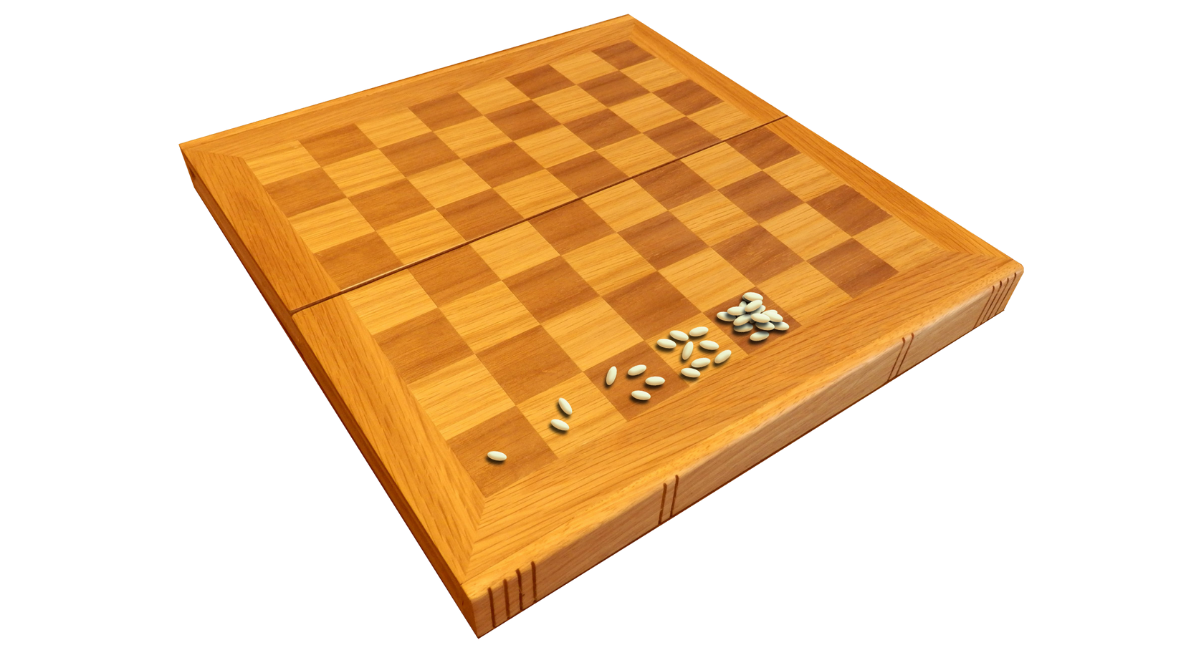
A tale as old as time illustrates the power of exponential growth through the “wheat and chessboard” problem. Starting with a single grain of wheat on the first square, the amount doubles on each subsequent square, culminating in an astronomical sum on the 64th square. This story highlights the concept of geometric progression and sheds light on the immense potential wrapped within seemingly small beginnings. The final tally reveals a staggering figure, far beyond what one might expect from the humble start of a single grain.
Agricultural experts say that 1000 wheat grains weigh about 31g. The result is astonishing: (2^64 – 1) x 31 / 1000 g. This corresponds to more than 570 billion tons of wheat. At the current global production rate of around 785 million metric tons per year, it would take approximately 726 years to produce 570 billion tons of wheat.
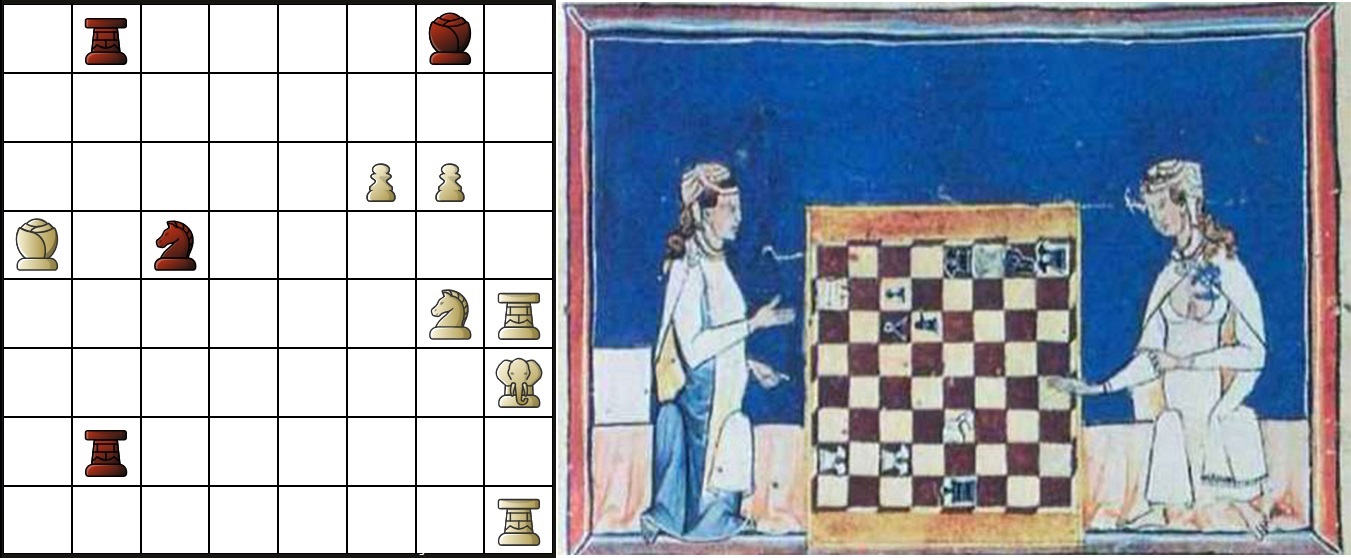
Shatranj.ai is an AI curriculum built around historic algorithmic puzzles and board games. It is intended for use in schools as an elective topic, club hour, or after-school program. The curriculum develops practical AI programming skills while also introducing students to the cultural and historical contexts of the games they study. Through hands-on activities, learners build technical competence and a clearer understanding of how board games and puzzles have evolved across different societies and time periods.
Students, teachers, schools, universities, and learning institutions are invited to use Shatranj.ai as a structured way to learn and teach AI through games—start with a single lesson, run it as a club sequence, integrate modules into an existing course, or adopt the full curriculum for a longer program.